- info@rajveerenterprises.co.in
- +91-965 346 4100

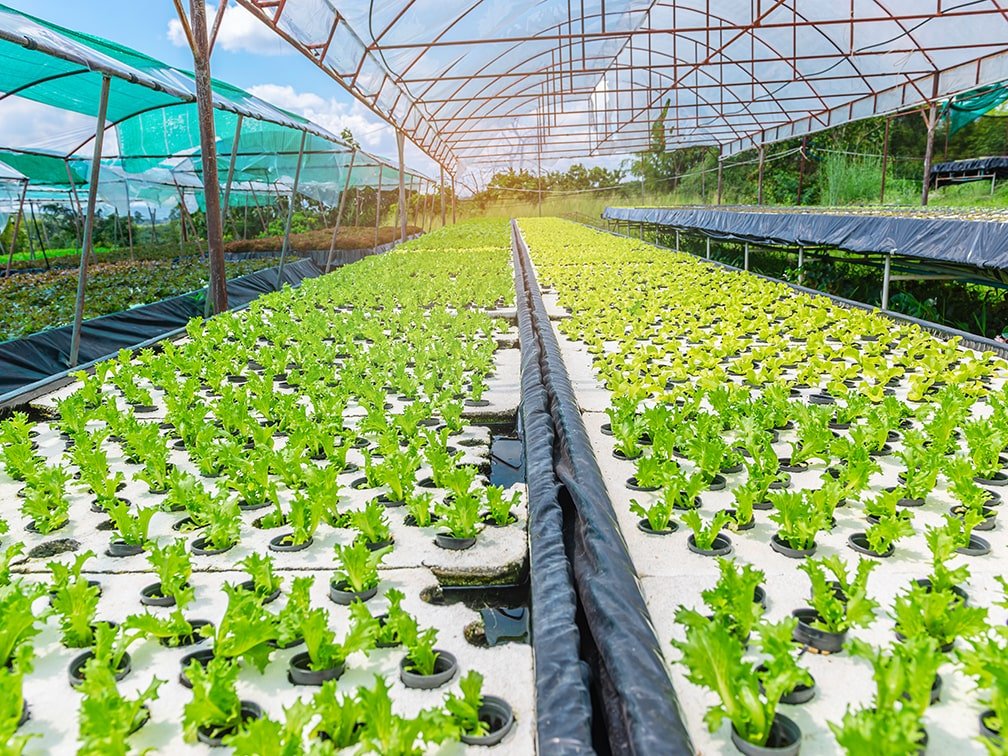
Hydroponics is a production method where the plants are grown in a nutrient solution or inside the moist inert material like rockwool and vermiculite rather than in soil. Over the past few years, several variations to the basic system have been developed. Hydroponics operates under a very simple principle: provide plants exactly what they need when they need it. Hydroponics administer nutrient solutions tailored to the needs of the particular plant being grown.
Multiple crop cycles all around the year.
Optimal growing conditions equate to more harvest.
Plants can be grown closer together without competing for root space.
Requires between 80 to 90% less water than plants grown in the ground.

Compared with round pipe and square pipe, we only need much less water to the vegetables.

For years, our strength has been rooted in a balanced approach of educating while fostering trust and expertise.

Free agronomy support to all the customers from highly experienced agronomist has 20+ years of experience.
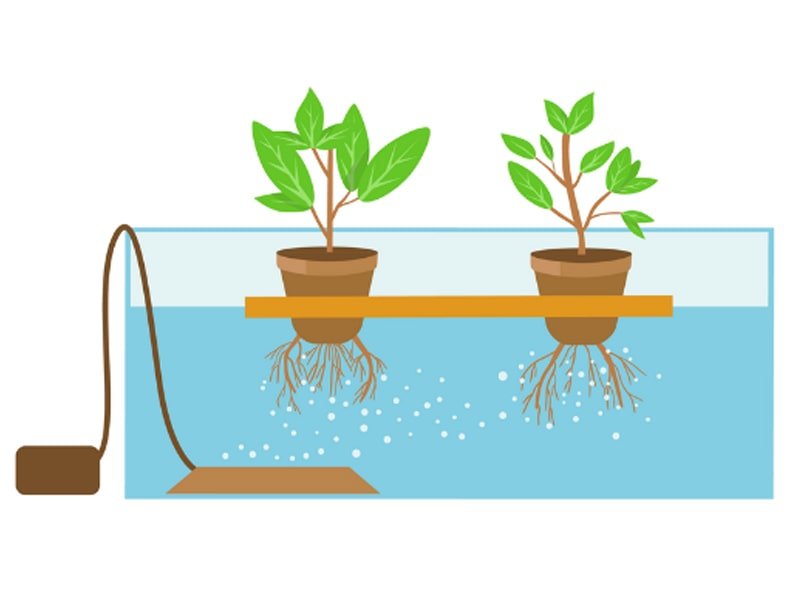
Deep Water Culture (DWC) systems are a straightforward and efficient hydroponic method where plants are suspended in aerated water. Net pots holding plants are placed over a deep reservoir filled with an oxygen-rich nutrient solution, allowing the plant roots to be submerged. This setup ensures continuous access to essential nutrients, water, and oxygen, promoting optimal growth.
Rapid Growth
Provides plants with constant access to nutrients, water, and oxygen, accelerating growth rates.
Simplicity
Easy to set up and maintain, making it ideal for beginners in hydroponics.
Cost-Effectiveness
Minimal equipment required, reducing initial investment and operational costs.
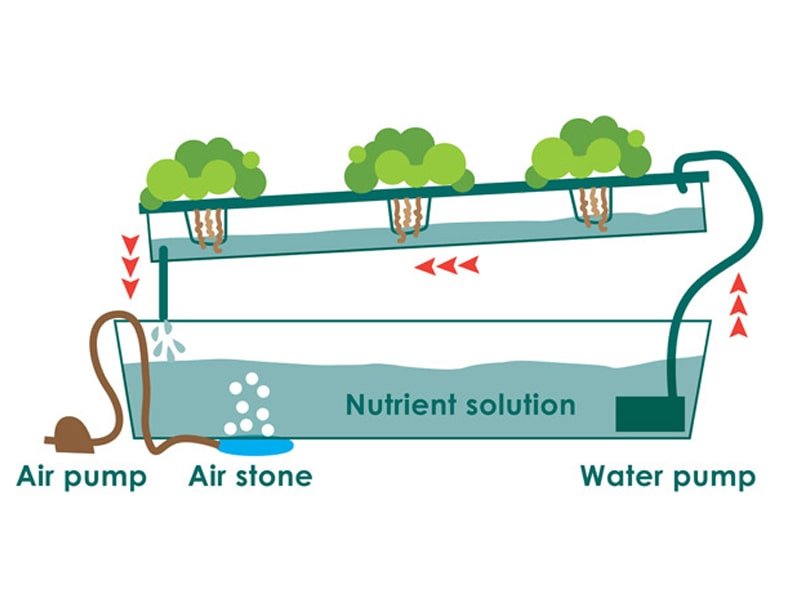
Nutrient Film Technique (NFT) systems are popular in commercial hydroponics, suspending plants above a stream of continuously flowing nutrient solution. The solution washes over the root ends, ensuring consistent nutrient uptake. Channels holding the plants are tilted, allowing the solution to flow down to a reservoir, where a pump recirculates it back to the top.
Efficient Nutrient Use
Continuous flow of nutrients maximizes uptake and reduces waste.
Scalability
Ideal for commercial setups due to its modular and scalable design.
Oxygenation
Constant flow ensures roots receive ample oxygen, promoting healthier plant growth.
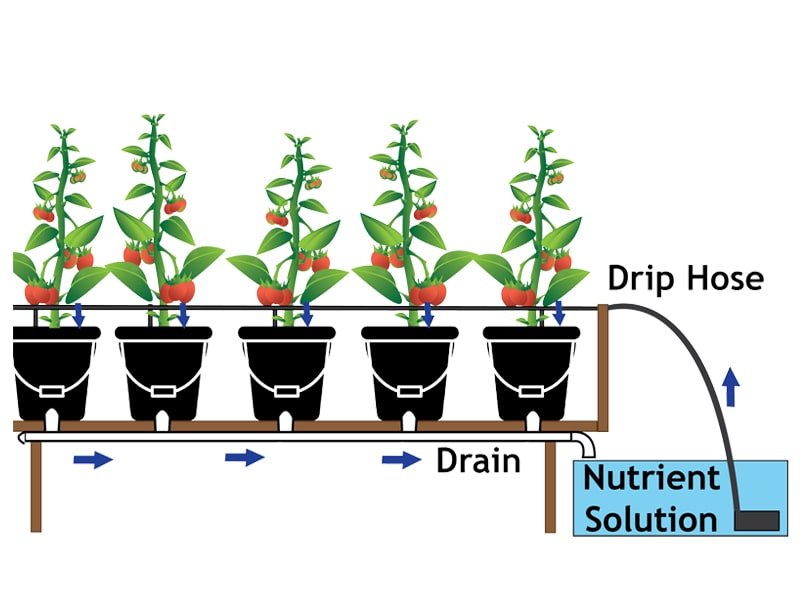
The Dutch Bucket, or Bato Bucket, is a hydroponic system where multiple containers are connected to shared irrigation and drainage lines. This method is highly efficient for water and nutrient use, making it ideal for growing heavy-feeding and vining plants like tomatoes, peppers, and eggplants.
Scalability
Easily connect multiple buckets, allowing the system to expand as needed.
Efficiency
Optimizes water and nutrient usage, reducing waste and ensuring plants receive adequate resources.
Versitality
Suitable for various plant types, particularly heavy-feeding and vining plants, offering flexibility in cultivation.
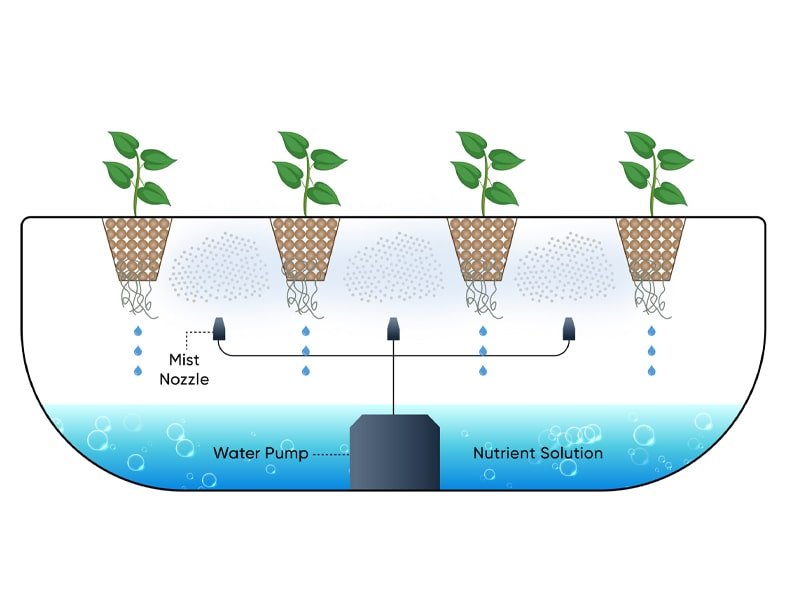
Aeroponic systems suspend plants in the air, exposing their roots to a nutrient-filled mist. These systems are enclosed frameworks, such as cubes or towers, holding multiple plants simultaneously. Water and nutrients are stored in a reservoir and atomized into a fine mist, providing efficient nutrient delivery.
Water Efficiency
Uses less water than any other hydroponic method, reducing resource consumption.
Optimal Nutrient Absorption
Fine mist ensures even and thorough nutrient distribution to the roots.
Space Saving
Vertical structures like towers maximize space usage, ideal for compact growing environments.
In a hydroponics system, plants can be grown hydroponically year-round because the grower controls the temperature, light, and nutrient-supply. For leafy we can get Multiple crop cycles all around the year.

Hydroponics systems typically result in faster-growing, higher-yielding plants. This is likely due to the increased oxygen levels found in the nutrient solution and the carefully controlled environmental factors.

Plants grown in soil require rigid spacing to ensure each has equal access to nutrients. In hydroponics, the nutrient-rich solution allows plants to be grown closer together without competing for root space.

Even though hydroponic systems depend primarily on water to grow plants; they use between 80 to 90% less water than plants grown in the ground.

Unlike traditional gardens that require outdoor space for plants, hydroponics systems are easily incorporated into many homes, regardless of their size or location.

Hydroponic systems, being indoors, have controlled entrances that make it harder for pests to infiltrate and attack plants. This results in fewer pest problems and reduces the need for pesticides.

Plants grown in hydroponics systems are typically grown on counters, benches, tables, etc., which puts them at waist height for most growers. At this height, mature plants are easier to harvest.
Nutrient film technique systems are perfect for large-scale and commercial endeavors. Once you have one channel set up and functioning, it is very easy to expand.
Our Each project is tailored made for customer as per his requirement with best industry practices. We specialize in recirculating, sustainable hydroponic turnkey projects.
Uniform slope of the NFT channels is very important in hydroponics as with uniform slope all plants get similar nutrient flow in the roots.
Our automation system monitor & control all parameters of the hydroponics set up. Using the IOT technology complete system can be accessed via Computer , tablet or smartphone.
Agriplast uses ebb and flow technology for the nursery of the plants. Ebb and flow gives best results as each net pot get same uniform water and nutrient.
A greenhouse is a transparent structure traditionally made of glass, where plants are cultivated under controlled climatic conditions. With advancements in agricultural technology, greenhouses now incorporate modern systems to optimize plant growth and ensure year-round productivity.
A polyhouse is a type of greenhouse that uses polyethylene plastic sheets instead of glass. This makes it a cost-effective, flexible, and efficient option for protecting crops and maintaining ideal growing conditions.
A greenhouse is designed to help plants grow even under adverse climatic conditions. The translucent covering allows sufficient sunlight to enter, enabling plants to perform photosynthesis by absorbing light energy. The enclosed structure traps heat, keeping the inside warmer than the outside environment, which creates a favorable microclimate for healthy plant growth.
A greenhouse helps maintain warmth not only in summers but also during winters. While artificial heating systems are effective, they can be expensive. Here are some cost-effective ways to keep your greenhouse warm in cold weather:
Cover the inside of the greenhouse with a bubble layer wrap to reduce heat loss.
Ensure good power supply to run electric fan heaters that circulate hot air inside for plant growth.
Install electric greenhouse heaters with built-in thermostats that automatically activate when outside temperatures drop.
Greenhouses offer multiple advantages for farmers and growers, including:
Production of fresh crops throughout the year.
Ability to grow crops even under adverse climatic conditions.
Controlled environment for healthier and faster plant growth.
Protection of crops from harsh weather.
Even distribution of sunlight to all plants.
Reduced need for pesticides due to a protected setup.
Efficient use of resources, minimizing wastage.
Rajveer Enterprises is a Green Poly House construction & Services leading company at the north India Punjab, Haryana, Rajasthan, Himachal Pradesh, Jammu & Kashmir, Uttra Khand, UP.
WhatsApp us