- info@rajveerenterprises.co.in
- +91-965 346 4100

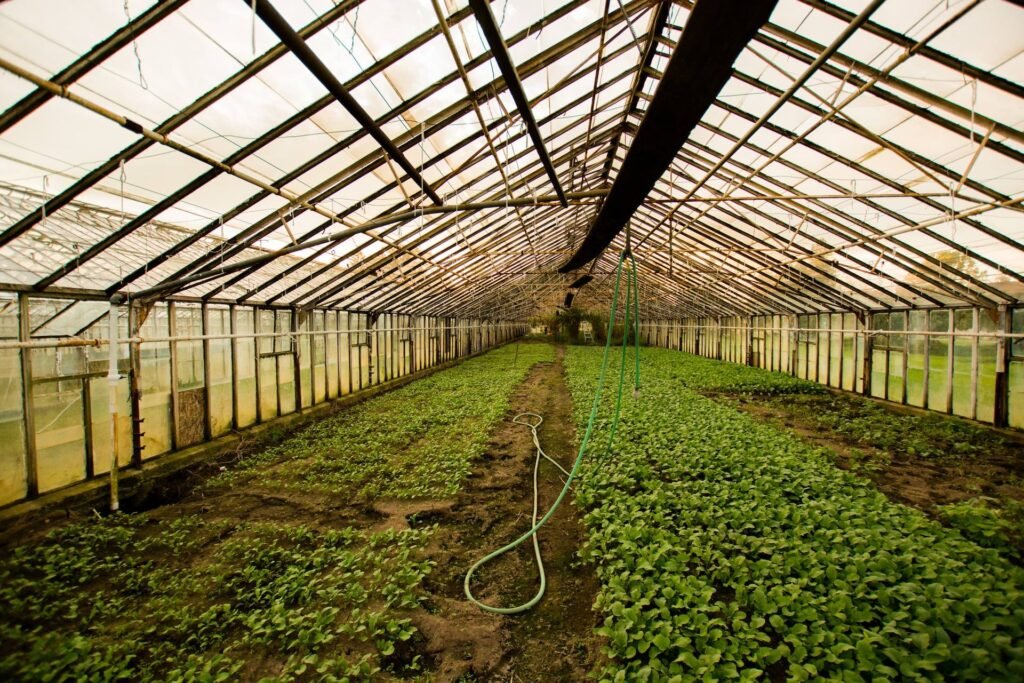
Polyhouse or a Greenhouse is a house or a structure made of translucent material like polyethylene, where the plants grow and develop under controlled climatic conditions. The size of structure can differ from small shacks to big-size buildings as per the need.
Plants are grown under controlled temperature
Less chances of crop loss or damage
Less pests and insects in a poly house
Quality of produce is higher in poly house

Team of experienced engineers have created designs according to Indian requirements and export markets.

Team of experienced engineers have created designs according to Indian requirements and export markets.
Free agronomy support to all the customers from highly experienced agronomist has 20+ years of experience.
Rajveer Enterprises offers a range of Naturally Ventilated Polyhouses, each designed to suit various climatic conditions and crop types. Our polyhouses utilize advanced materials and design principles to allow natural air flow, which moderates temperatures and humidity levels effectively.
Enhanced Climate Control
These polyhouses are expertly designed to allow for optimal natural airflow, which regulates temperature and humidity precisely, ensuring ideal growing conditions for a variety of crops.
Energy Efficiency
By leveraging natural ventilation, these structures reduce the reliance on mechanical systems for climate control, significantly cutting energy use and lowering operational costs.
Cost-Effectiveness
The use of durable, transparent materials maximizes sunlight penetration, enhancing plant growth and yield, which boosts profitability without the hefty investment in additional climate control technologies.
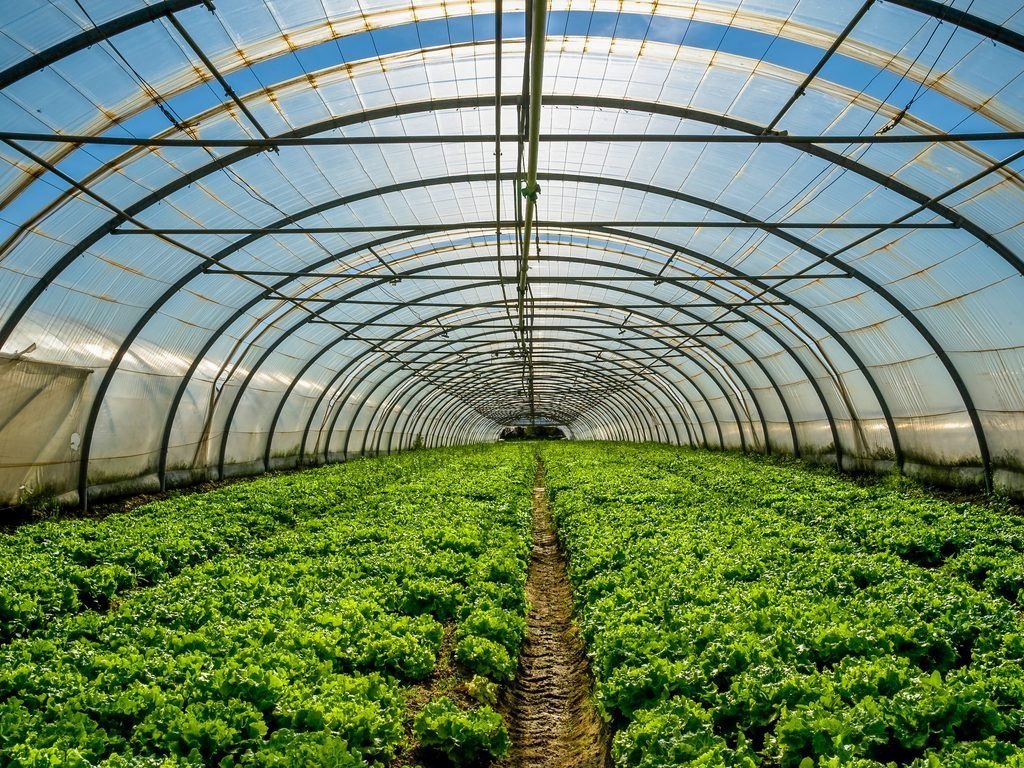
Butterfly Ventilated Polyhouses at Rajveer Enterprises optimize air circulation with unique roof vents that open like butterfly wings. This design enhances temperature control and pest management while significantly reducing energy costs by minimizing the need for artificial cooling, making it an eco-friendly choice for modern farmers.
Superior Ventilation
Butterfly Ventilated Polyhouses feature roof vents that open like butterfly wings, providing superior air circulation. This unique design enhances the internal climate control by efficiently expelling hot air and drawing in cooler air, ideal for temperature-sensitive crops.
Improved Pest Management
The enhanced airflow significantly reduces the humidity that pests thrive in, lowering the risk of pest-related diseases and reducing the need for chemical pesticides.
Cost-Effectiveness
With natural temperature regulation through effective ventilation, these polyhouses minimize the need for artificial cooling systems, leading to significant energy savings and reduced operating costs.
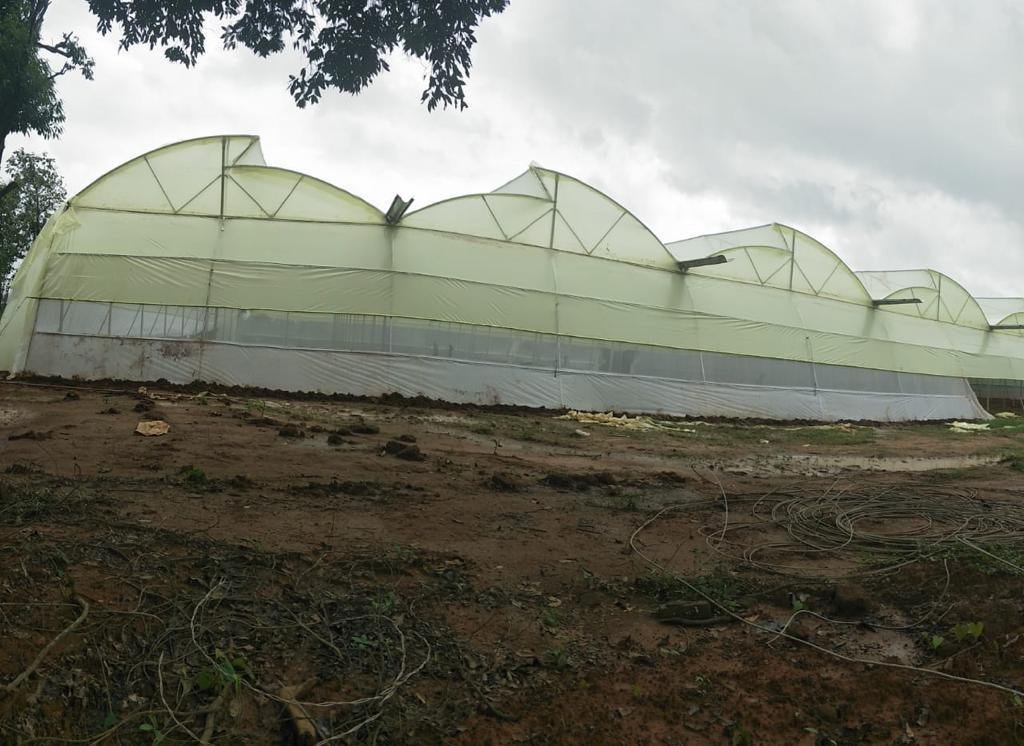
Tropical Polyhouses at Rajveer Enterprises are engineered for resilience and efficiency in warm climates. They feature advanced cooling and irrigation systems to handle high humidity and temperatures, ensuring optimal growth conditions while conserving water and energy, making them ideal for sustainable agriculture in tropical environments.
Climate Adaptation
Designed specifically for warm climates, Tropical Polyhouses effectively manage high temperatures and humidity levels, ensuring optimal growing conditions for heat-tolerant crops.
Durability in Harsh Weather
Built with robust materials and structural integrity, these polyhouses withstand adverse weather conditions, such as heavy rains and strong winds, typical of tropical environments.
Efficient Resource Use
The polyhouses incorporate advanced irrigation and cooling systems that conserve water and energy, enhancing sustainability by minimizing the ecological footprint of agricultural practices in tropical regions.
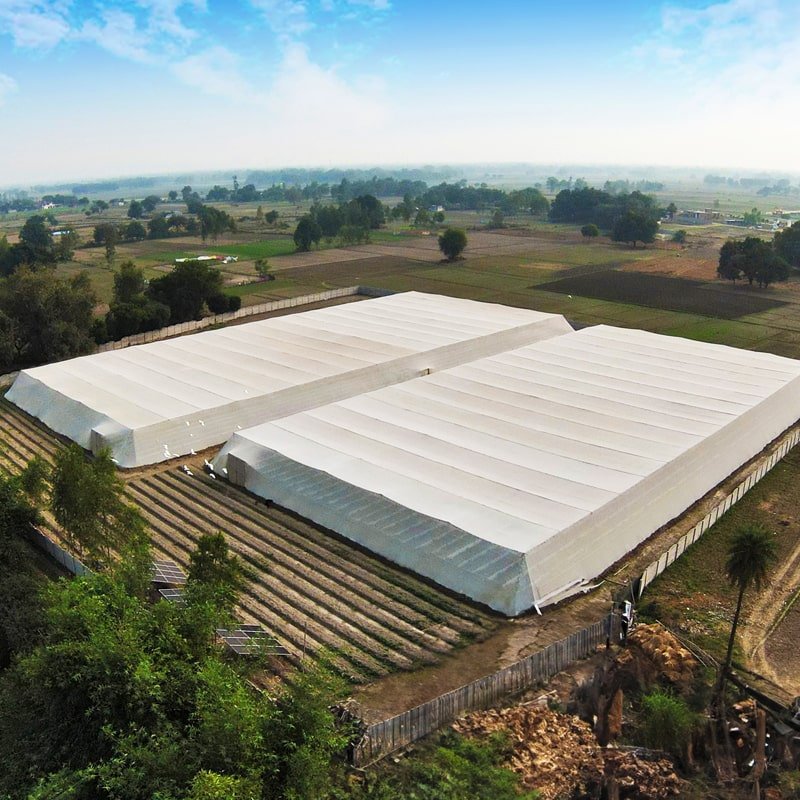
Gothic Polyhouses at Rajveer Enterprises feature a distinctive arch design that enhances sunlight capture and improves internal air circulation. Their robust construction withstands harsh weather, while the tall structure maximizes usable space, making them ideal for efficient, high-volume agricultural production in varied climatic conditions.
Maximized Sunlight Exposure
The Gothic arch shape allows for excellent light diffusion and superior ventilation.
Enhanced Durability
Engineered to withstand adverse weather, ensuring long-term reliability.
Optimal Space Utilization
The high sidewalls facilitate greater growing space, optimizing internal climate control.
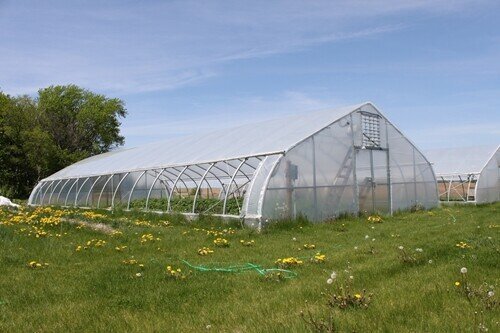
At Rajveer Enterprises, our Customized Polyhouses are designed to specifically align with individual grower needs, ensuring optimal growing conditions for diverse crops. Each polyhouse integrates advanced technologies that maximize efficiency and productivity. Whether adapting to unique climatic challenges or specific crop requirements, these structures provide versatile solutions that enhance yield and resource management. They embody the pinnacle of tailored agricultural engineering, making them indispensable for modern farming practices.
Tailor-Made Design
Configured to precise specifications for optimal plant growth.
Versatile Applications
Suitable for a wide range of crops and climatic conditions.
Enhanced Efficiency
Incorporates advanced technologies to maximize yield and minimize resource use.
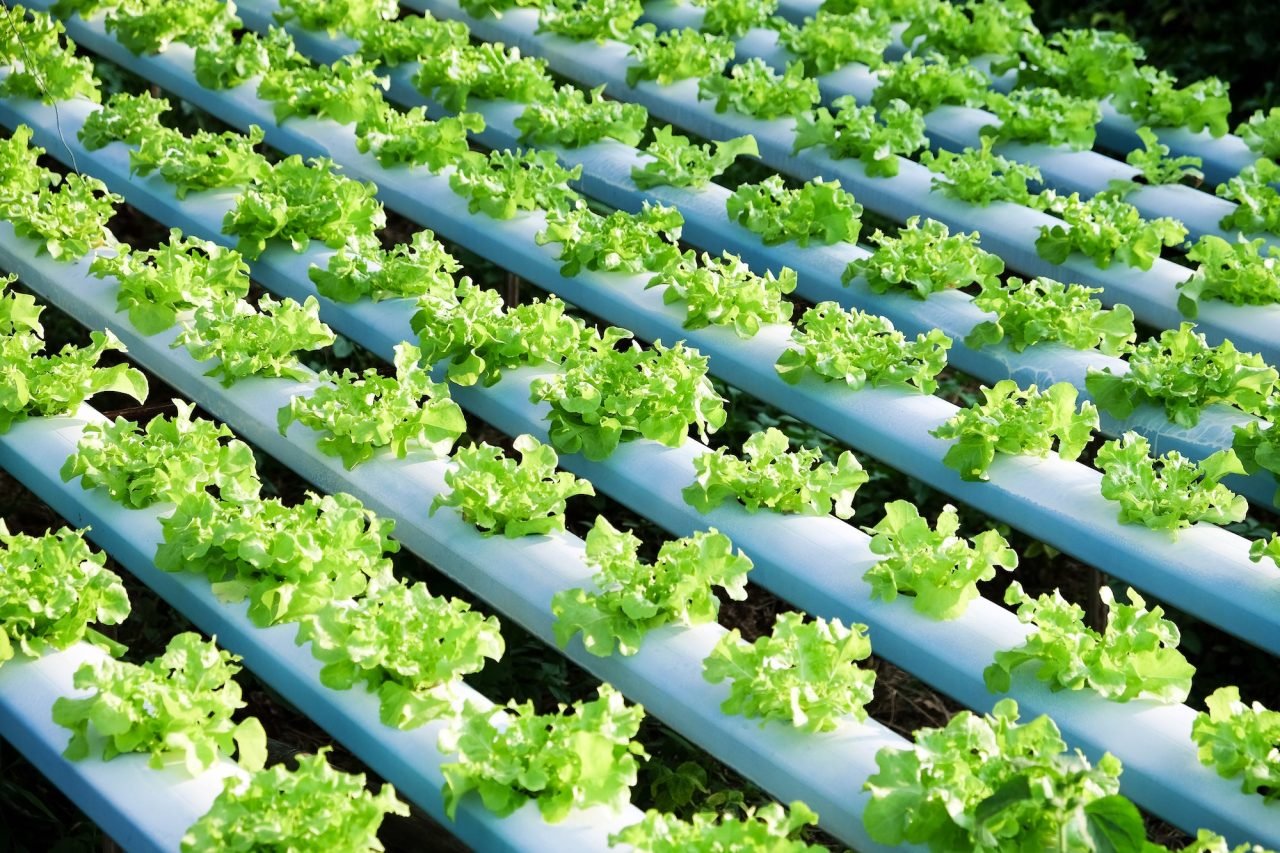
Designed Polyhouse Structure vs other polyhouse structure
| Features | Rajveer Enterprises | Others Structure |
|---|---|---|
| Height of Structure | 6.8M to 7.2M from Ground Level | 6.2M to 6.8M from Ground Level |
| Side Ventilation | 4 meters | 2.5 meters |
| Top Vent | 1.2 to 1.4 meters | 0.9 meters |
| Pipe Quality and Galvanization | 375 GSM to 400 GSM | 150 GSM to 250 GSM |
| Nut Bolts and Connectors | 22 Micron Zinc Ferrous Coated Main Connectors are 5mm Coated (Zinc Coating) | No Coating / 2mm Coating Resulting in rusting in 6 months |
| Foundation | 75mm Diameter 2mm Thickness Crimped Foundation gives more strength | 63mm Diameter 1.6mm Thickness Point Load Foundation is less stable |
| Door | Aluminium Double Sliding Door with Buffer Zone | Basic Non-Sliding GI Door without buffer zone |
| Gutter | 1.6mm Thickness, 275 GSM Zinc Coated Gutters | 0.6mm to 1mm Thickness, Non-Galvanized Gutters |
| End Gutters | Yes, at both ends of the structure | N/A |
| Shade Net and Mechanism | Pulley System Hybrid Mechanism Shade Net moves with thousands of pulleys and sandwich clips without tearing. PVC wire used. | Hook Mechanism Hook tears shade net in 1 year; GI wire used, rusting will tear net. |
| Reinforcement and Anti-Wind Breakers | Multiple reinforcements and anti-wind breakers provided | No reinforcements |
| Hockey Pipe | Square Pipes for stability | Round pipes, less stability |
| Tonnage of Structure | 20–21 Tonnes Steel (Total ~24 Tonnes approx.) | 16 Tonnes Steel (Total ~19 Tonnes approx.) |
| Profile | Aluminium Profile, doesn’t transfer or damage plastic | GI Profile, heats plastic and damages it |
| Spring | PVC-coated springs, don’t heat plastic | GI spring, heats and damages plastic |
| Polyfilm | Ginegar Israel | Ginegar / Local |
| Shade Net/Insect Net | Agriplast | Agriplast / Local |
| Multiple Designed Connectors | Israeli-designed connectors for strength | Local connectors |
| Other Features | Curtain Box System (Optional) EI C Mechanism (Optional) Aluminium Shade Net with 5-year warranty by Ginegar (Optional) | No genuine Aluminet |
| Agronomist Support | One Year Free Agronomist Support | No support |
Polyhouse construction cost is calculated per sq. meter. The cost varies as per the quality ofthe materials used for the structure and and shed. Also the quality and density of irrigationsystem define the polyhouse farming cost per acre. There are different types of polyhouse- Low cost polyhouse or wooden/bamboo polyhouse, Metal structured polyhouse and Net house Structure.
Structure + Secondary Layer (White Shade Net 50%) + Trellising + FLC (Chain Pulley Mechanism) + Installation
Naturally Ventilated Polyhouse cost per acre is approximately ₹40,84,962*
NVPH cost per acre with NHB Subsidy is approximately ₹20,42,431*
*Above Price is inclusive of GST
Structure + Secondary Layer (White Shade Net 50%) + Trellising + Installation
Double Layer Pipe Purlin Nethouse cost per acre is approximately ₹32,30,306*
Double Layer Pipe Purlin Nethouse cost per acre with NHB Subsidy is approximately ₹17,77,6461*
*Above Price is inclusive of GST
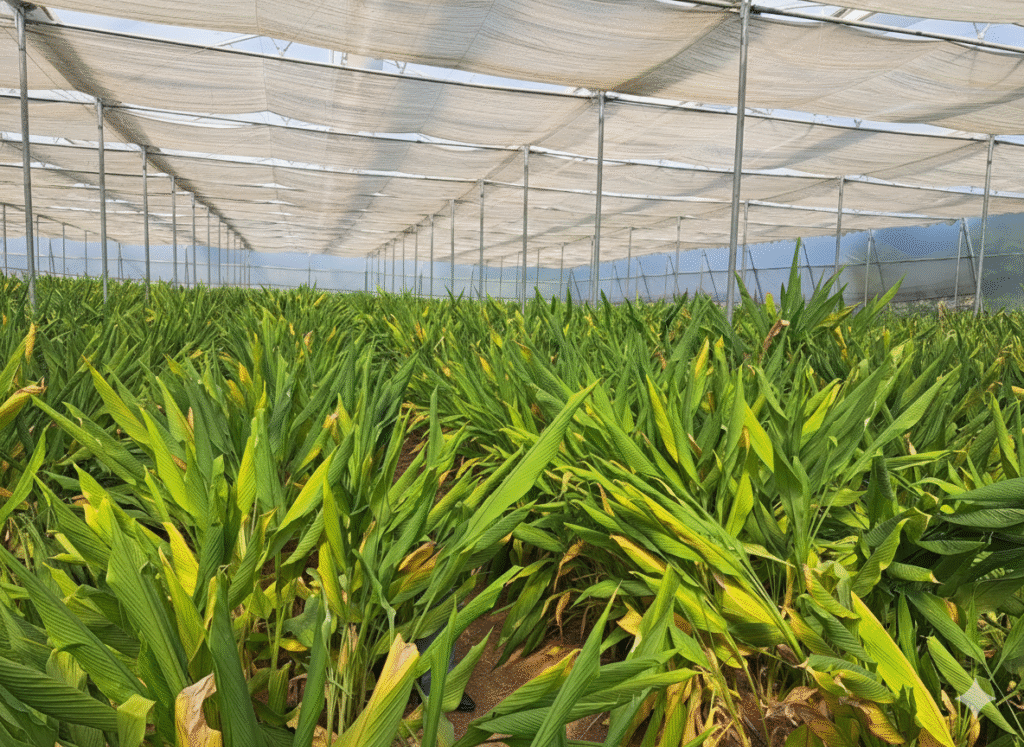
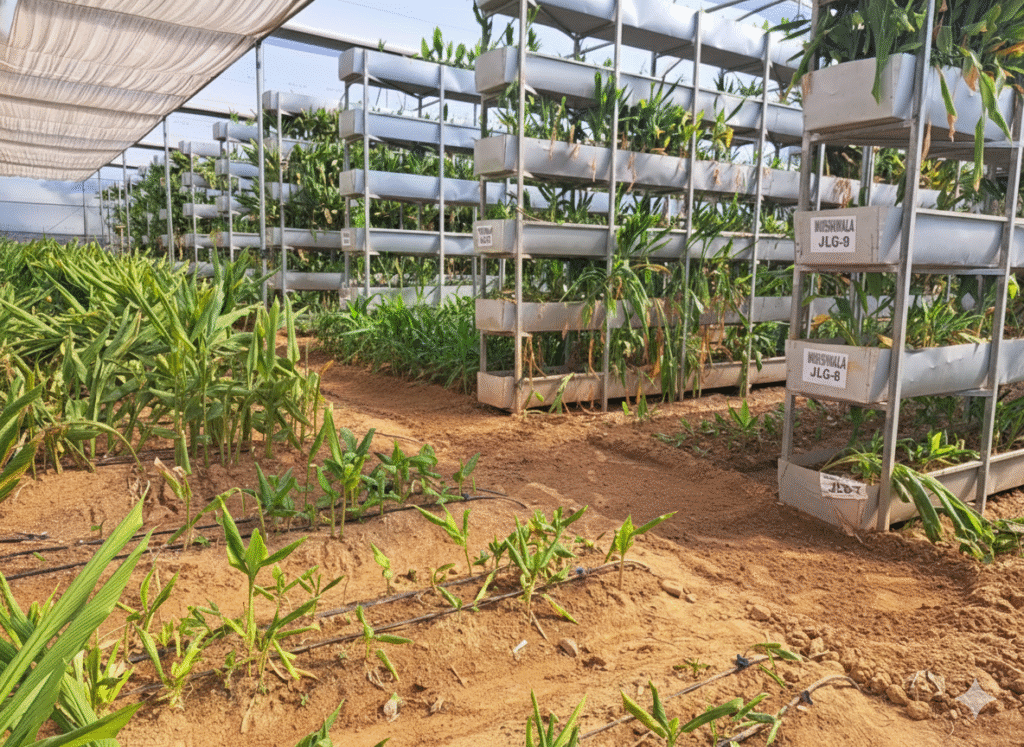
A greenhouse is a transparent structure traditionally made of glass, where plants are cultivated under controlled climatic conditions. With advancements in agricultural technology, greenhouses now incorporate modern systems to optimize plant growth and ensure year-round productivity.
A polyhouse is a type of greenhouse that uses polyethylene plastic sheets instead of glass. This makes it a cost-effective, flexible, and efficient option for protecting crops and maintaining ideal growing conditions.
A greenhouse is designed to help plants grow even under adverse climatic conditions. The translucent covering allows sufficient sunlight to enter, enabling plants to perform photosynthesis by absorbing light energy. The enclosed structure traps heat, keeping the inside warmer than the outside environment, which creates a favorable microclimate for healthy plant growth.
A greenhouse helps maintain warmth not only in summers but also during winters. While artificial heating systems are effective, they can be expensive. Here are some cost-effective ways to keep your greenhouse warm in cold weather:
Cover the inside of the greenhouse with a bubble layer wrap to reduce heat loss.
Ensure good power supply to run electric fan heaters that circulate hot air inside for plant growth.
Install electric greenhouse heaters with built-in thermostats that automatically activate when outside temperatures drop.
Greenhouses offer multiple advantages for farmers and growers, including:
Production of fresh crops throughout the year.
Ability to grow crops even under adverse climatic conditions.
Controlled environment for healthier and faster plant growth.
Protection of crops from harsh weather.
Even distribution of sunlight to all plants.
Reduced need for pesticides due to a protected setup.
Efficient use of resources, minimizing wastage.
Rajveer Enterprises is a Green Poly House construction & Services leading company at the north India Punjab, Haryana, Rajasthan, Himachal Pradesh, Jammu & Kashmir, Uttra Khand, UP.
WhatsApp us